culture
Bogotá's Art Institutions Shape the City's Cultural Identity Through Centuries
As the capital reflects on its identity, a look at the institutions anchoring the city's artistic transformation.
How we reported this
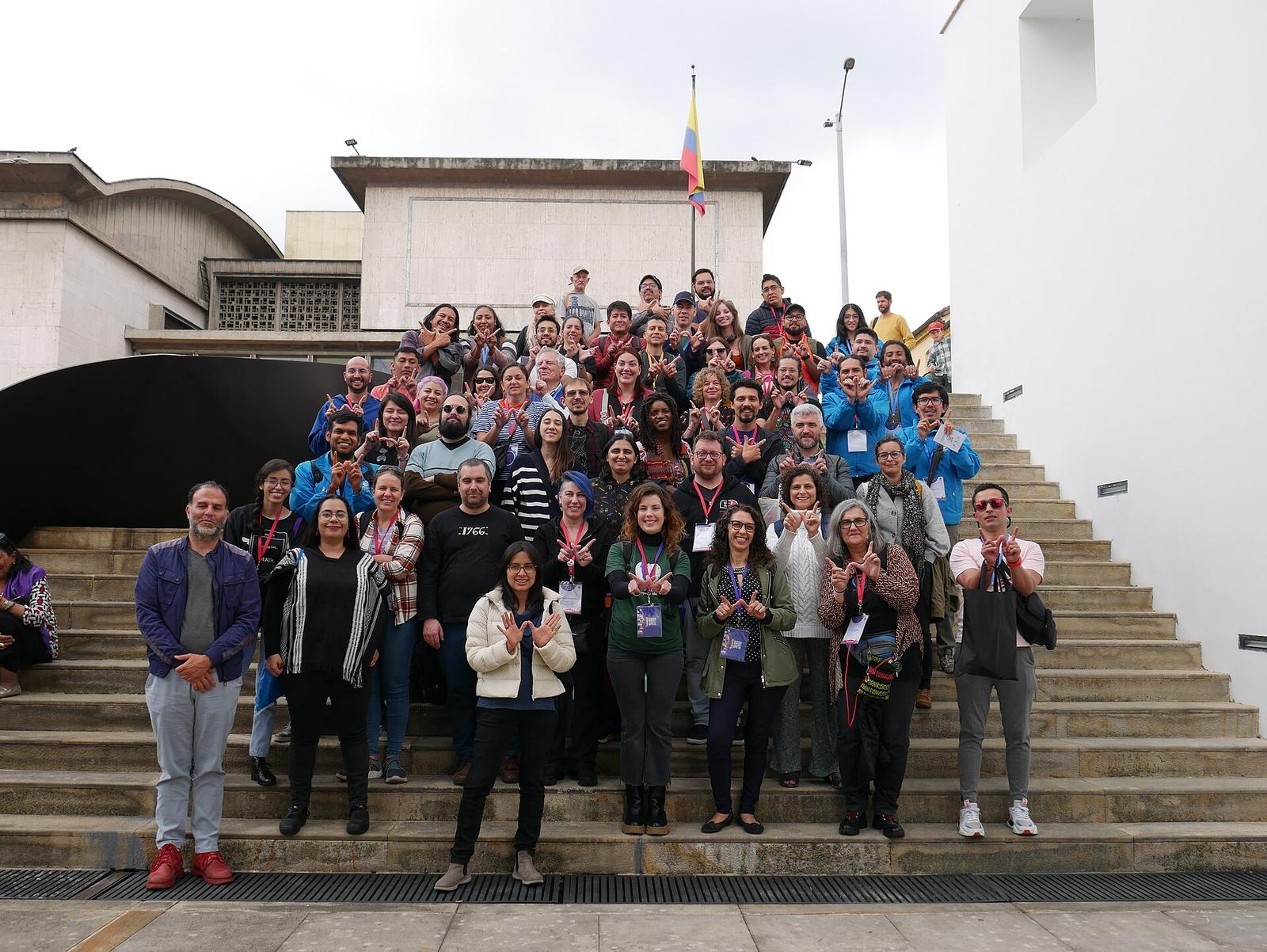
Bogotá’s cultural landscape has shifted from a collection of isolated, tradition-bound galleries into a sprawling network of international-standard institutions that define the city's character. Today, the capital balances its deep-rooted colonial heritage with a burgeoning contemporary pulse, anchored by major hubs that have transformed the way residents interact with visual arts, history, and civic life.
The Architecture of Memory
The city's evolution is perhaps best reflected in the contrast between its historic core and the modern cultural districts emerging in the north. In the Candelaria district, the Museo del Oro remains a cornerstone of this narrative. Managed by the Banco de la República, it transitioned from a scholarly collection of pre-Hispanic metalwork into an immersive architectural experience that draws visitors from across the globe. Similarly, the Museo Botero, located in a beautifully preserved colonial house, represents the transition toward institutionalizing the work of Colombian masters who shaped the country's modern identity.
Beyond these established icons, the scene has diversified into neighbourhood-based programs. Initiatives such as the Gallery Weekend in San Felipe have revitalized former industrial warehouses, turning blocks once dominated by car mechanics into high-traffic art corridors. This shift illustrates a broader trend: museums in Bogotá are no longer static repositories but are active participants in urban renewal, often setting the tone for the surrounding streets.
Data and Accessibility
Investment in the public accessibility of these institutions has been a primary driver of growth. According to data provided by the Banco de la República, the cultural offerings housed within the Miguel Urrutia Art Museum (MAMU) now encompass thousands of pieces spanning from the colonial era to the present day. Participation has remained steady as the institution maintains free entry, a policy that significantly lowers the barriers to entry for local students and families. While entrance fees at smaller, private galleries located on Calle 72 or in the Chicó neighbourhood may vary depending on the exhibition, the city's commitment to sustaining public access to state-managed spaces remains a central pillar of its social contract.
As these institutions look toward the next decade, the focus has shifted toward digital integration and global exhibition exchanges. For those planning a visit, the current exhibition schedules at the Museo de Arte Moderno de Bogotá (MAMBO) serve as a reliable barometer for the city's artistic direction. Navigating the scene is best done by focusing on a single district at a time; the concentrated density of galleries in San Felipe allows for an afternoon of viewing that offers a clear look at the city's contemporary trajectory without the need for extensive travel.