culture
Behind Bogotá's Theater Curtains: The Creators Who Breathe Life into the Stage
Exploring the personal journeys and community efforts that shape Bogotá’s dynamic performance scene.
How we reported this
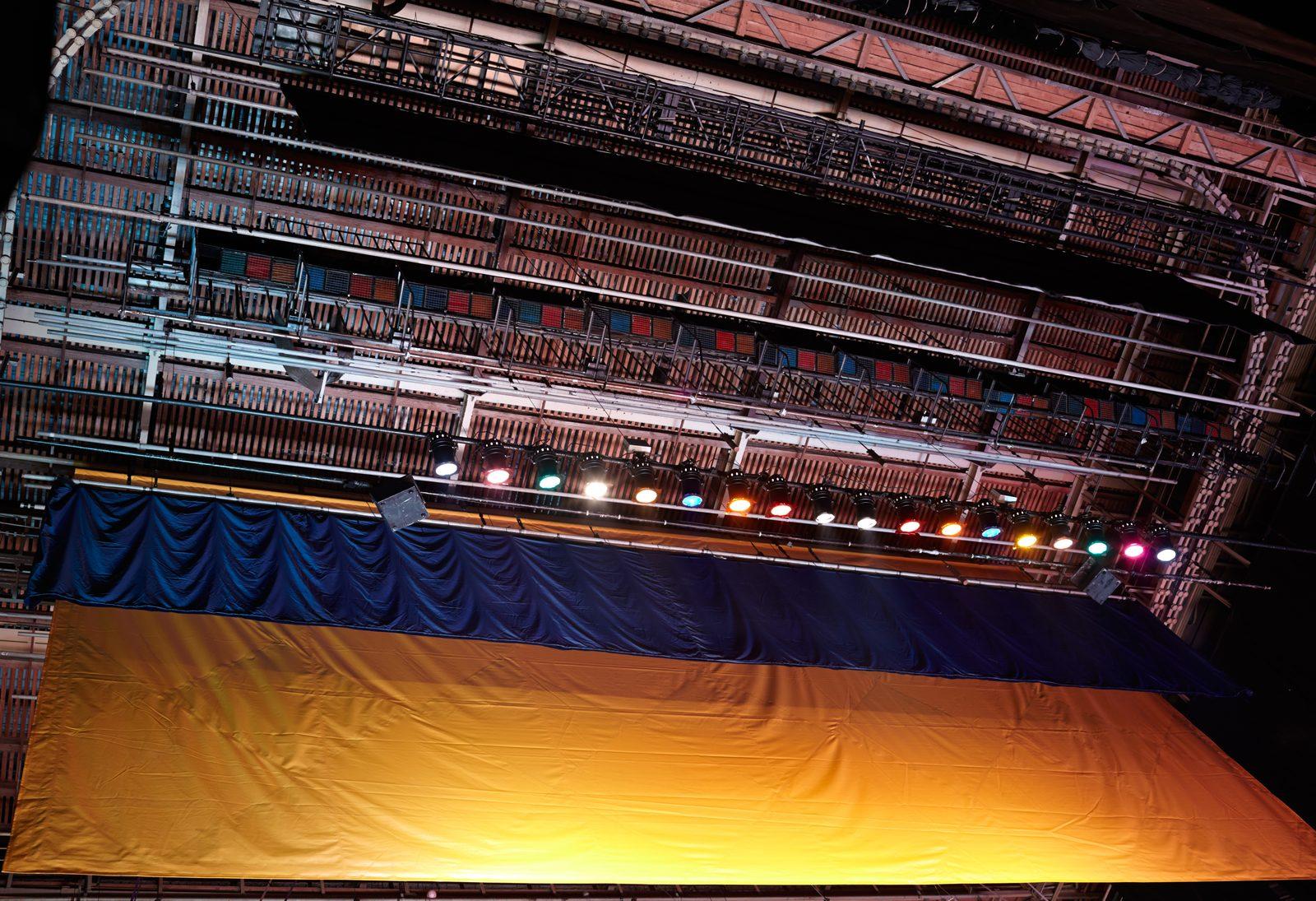
On Calle 48 in Bogotá’s Teusaquillo neighborhood, the Teatro Libre pulses with creativity as actors rehearse an original play chronicling urban transformation. This theater, alongside storied venues like the Teatro da Vinci in Chapinero, is central to Bogotá’s evolving landscape of performance arts, shaped as much by its creators as its audiences.
Why Bogotá’s Theatrical Pulse is Vibrating Stronger
As international cultural festivals resume post-pandemic, Bogotá’s theater circuit has seen a resurgence, with attendance rising nearly 35% since early 2025 according to the Bogotá Secretariat of Culture. The revitalization stems not only from public eagerness to reconnect with live arts but also from a growing emphasis on local narratives and experimental formats. This uniquely positions Bogotá to claim its place as a Latin American performance hub, celebrating voices often overlooked in mainstream media.
The renewed interest raises important questions about whose stories are told and who gets to tell them. On and off stages, directors, playwrights, and performers from diverse socio-economic backgrounds, indigenous communities, and immigrant populations play a crucial role in giving life to Bogotá’s multifaceted identity. Their stories resonate in small neighborhood theaters and large cultural centers alike, reflecting the city’s contrasts and richness.
Neighborhood Theaters and the People Who Make Them Thrive
Teatro Libre, established on Carrera 27 just off the bustling Avenida Caracas, exemplifies grassroots cultural energy. Founded in 1977 by a coalition of artists, it now nurtures emerging playwrights through its "Residencia de Nuevos Creadores" program, supporting up to 15 projects annually with grants averaging 8 million Colombian pesos (about 1,700 USD). Artistic director Mateo Rojas emphasizes the importance of mentorship and collaboration in sustaining Bogotá’s artistic ecosystem.
Meanwhile, Teatro da Vinci, nestled in the heart of Chapinero on Calle 60, specializes in avant-garde performances. The venue's experimental program “Voces Nuevas” has showcased over 40 distinct productions since 2023, often featuring young performers from marginalized neighborhoods such as Ciudad Bolívar. Their partnership with the Secretaria de Juventud has helped provide workshops and paid internships, integrating social development with theater arts.
Across Bogotá, community initiatives like Teatro al Paso, which hosts monthly pop-up performances in public parks like Simón Bolívar, aim to democratize access to culture. These efforts reflect a growing recognition that theater can both entertain and act as a catalyst for dialogue on pressing urban issues like displacement, inequality, and identity.
Data Points Illustrate the Rising Influence of Performance Arts
According to the latest figures from the Ministry of Culture, Bogotá currently houses more than 120 registered theater companies, nearly double the number from 2018. Annual ticket revenue for live performances has grown by 28%, reaching an estimated 3.4 billion COP (around 720,000 USD) during the last fiscal year, with local governments increasing subsidies by approximately 15% to support production costs between 2024 and 2026.
The average ticket price for theater productions ranges from 15,000 to 40,000 COP ($3.20 to $8.50), making live performance accessible to a broad audience, with special programs offering discounted or free access for students and senior citizens. These economic indicators reveal a sector gaining momentum yet still heavily dependent on public funding and community investment.
This rise comes despite challenges such as escalating venue rents in neighborhoods undergoing gentrification, which threaten the sustainability of small companies. For example, commercial rents on Carrera 13 have surged over 20% in the past two years, pushing some experimental groups to seek rehearsal space in lower-cost peripheral zones like Usme.
The creative sector’s resilience derives as much from individual passion as institutional support. Behind every production are actors who often juggle multiple jobs, directors committed to social narratives, dramaturges crafting scripts in informal settings, and technical crews who bring the vision to life under tight budgets.
Looking Ahead: Support and Access as Bogota’s Theater Future
For theater enthusiasts and newcomers alike, Bogotá’s performance scene offers fresh seasons opening regularly between August and November, highlighted by festivals like the Festival Iberoamericano de Teatro. Practical tips include early ticket purchases through official venues like Teatro Libre and monitoring cultural websites for pop-up and discounted shows.
The city’s cultural authorities are also piloting a new initiative dubbed “Bogotá Escena Abierta,” designed to decentralize theater access by creating satellite stages in neighborhoods beyond the city center. Expected to launch in early 2027, the program aims to empower local artists and widen audiences, addressing economic and geographic barriers.
Ultimately, the stories behind Bogotá’s theatrical productions reveal an intricate web of dedication and creativity among people determined to express the city’s complexities through performance. As theaters open their doors this season, the hands and voices behind the scenes invite audiences not just to watch, but to witness a living cultural mosaic in motion.