lifestyle
Bogotá Transforms Parks Into Connected Green Network, Residents Celebrate
As the city prioritizes urban biodiversity, residents are rediscovering the revitalized network of parks connecting the Andean capital.
How we reported this
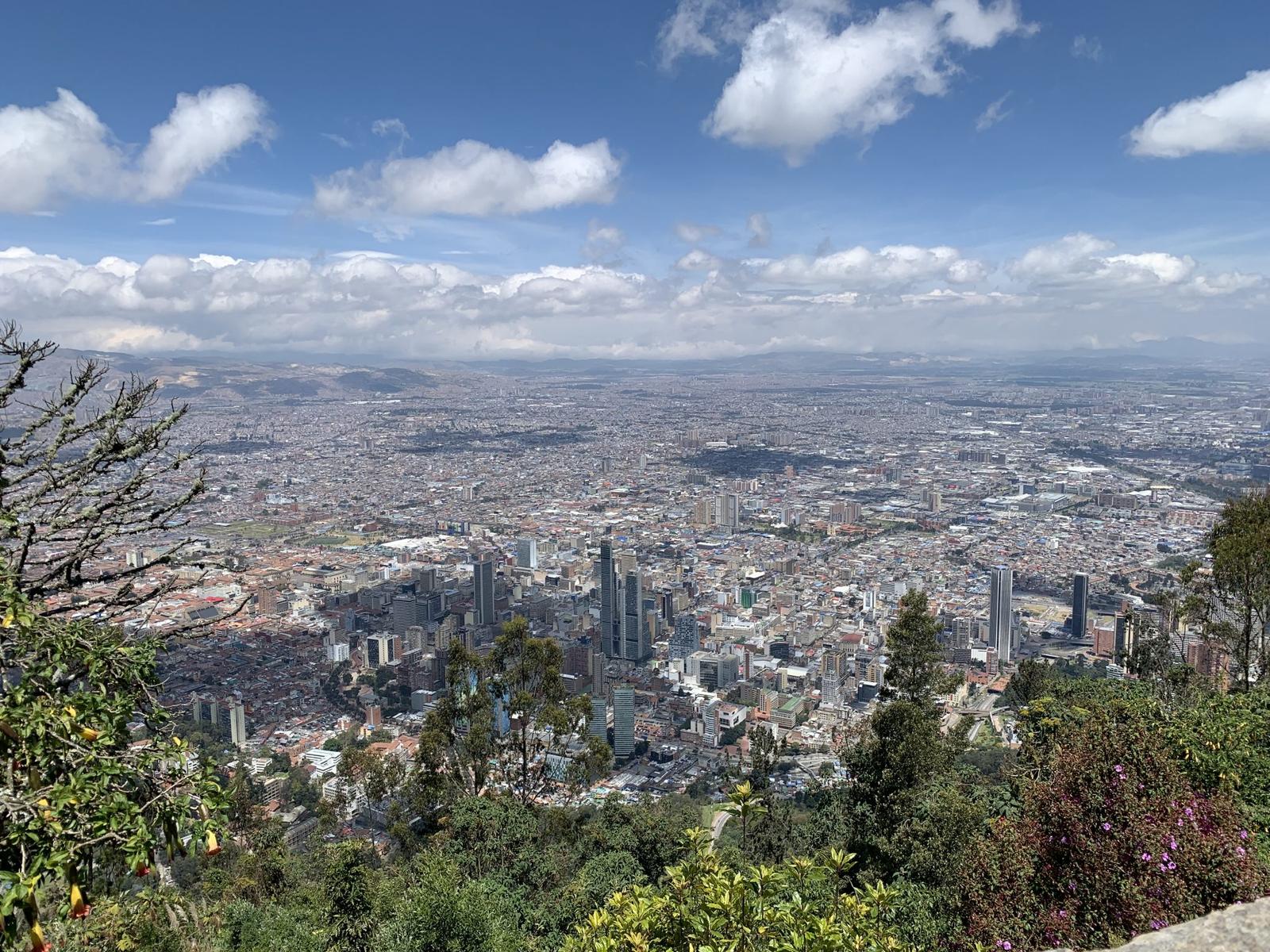
Bogotá is undergoing a quiet, verdant revolution, with city planners prioritizing the expansion and ecological restoration of public green spaces. Residents are moving away from traditional concrete recreation areas in favor of reclaimed wetlands and interconnected bike paths that stretch from the foothills of the Eastern Cordillera down to the urban core. This shift marks a departure from historic urban development patterns, focusing instead on environmental resilience and public accessibility across the city's diverse neighborhoods.
The Rebirth of Urban Biodiversity
The transformation is most visible at the Parque Metropolitano Simón Bolívar and the surrounding Jardín Botánico de Bogotá. Recent management initiatives at these sites have emphasized native planting and the protection of local water sources, moving beyond simple landscaping to restore local ecosystems. Locals have begun to favor these areas for their improved biodiversity, which offers a stark contrast to the heavy traffic typically associated with major thoroughfares like Carrera 7 or Avenida Caracas.
Beyond the central hub, the restoration of wetlands such as the Humedal Córdoba has become a focal point for community engagement. These spaces are no longer viewed merely as flood-mitigation zones but as vital corridors for migratory birds and local wildlife. Residents in the Chapinero and Usaquén localities increasingly utilize these interconnected trails for weekend exercise, citing the improved path lighting and enhanced safety measures as primary drivers for their renewed interest in outdoor activity.
Infrastructure and Public Access
Data provided by the Instituto Distrital de Recreación y Deporte indicates that municipal investment in these green corridors has steadily increased over the past three fiscal years, aimed at bolstering the city's climate adaptation strategies. The implementation of the Ciclovía program continues to serve as the backbone for this connectivity, ensuring that the city's green heart remains accessible to thousands of cyclists and pedestrians every Sunday and public holiday. The expansion of these routes has facilitated easier transit between the northern residential districts and the historical center, effectively linking once-isolated parklands into a cohesive network.
For those looking to explore these spaces, authorities recommend visiting during mid-morning hours on weekends, when the full extent of the city’s cycling infrastructure is operational. Visitors should check the official schedules provided by the Alcaldía Mayor de Bogotá for updates on maintenance closures or community events, which are regularly updated to reflect local climate conditions. Whether seeking the quiet observation of native flora or a high-intensity ride across the city, the current state of Bogotá's public spaces reflects a broader movement toward a more sustainable and walkable urban environment.