lifestyle
Bogotá's Indigenous Textiles and Streetwear Blend Redefine Global Fashion
The city's high-altitude climate and indigenous weaving traditions create a distinctive style that prioritizes durability and local materials over fleeting global trends.
How we reported this
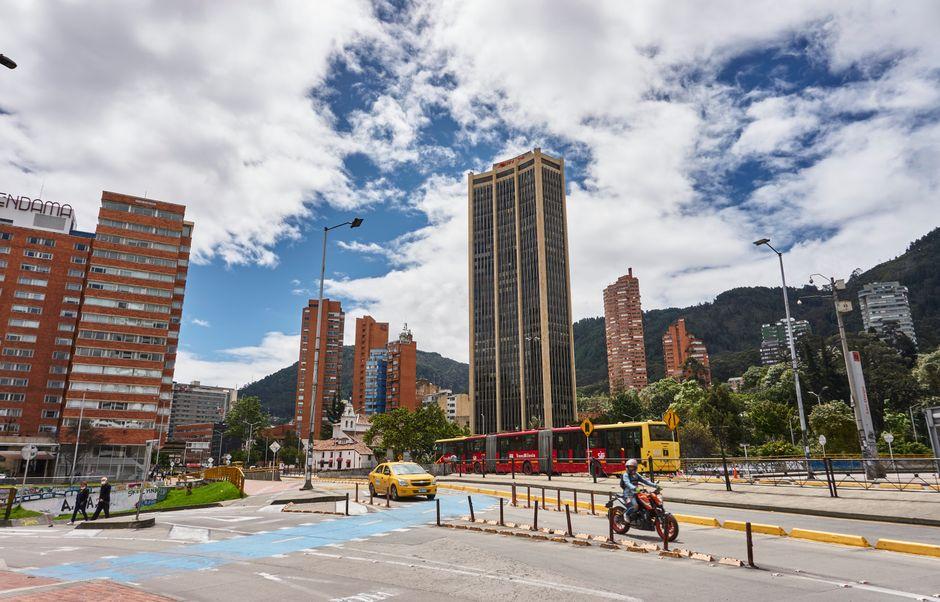
Bogotá distinguishes itself on the world fashion map through its fusion of centuries-old indigenous textile methods with adaptable streetwear suited to the city's 2,640-metre elevation and frequent rain.
This approach gains fresh relevance in mid-2026 as international supply disruptions push designers toward shorter local production chains that avoid reliance on distant raw materials.
Studios clustered along Carrera 13 in Chapinero routinely incorporate fique fibre from nearby Cundinamarca farms into jackets and bags, while vendors at the Sunday market on Carrera 9 in Usaquén sell updated ruanas priced from 180,000 to 320,000 Colombian pesos.
Highland practicality shapes daily choices
Designers at the Pasaje de la 7 collective in La Candelaria have developed lightweight wool blends that resist the damp chill without adding bulk, a practical response to conditions rarely considered by ateliers in lower-lying cities.
Industry reports from the Cámara de Comercio de Bogotá show that 37 percent of registered local labels now source at least half their fabric within 200 kilometres of the capital, a figure tracked since the 2024 supply-chain survey.
Practical steps for visitors and residents
Shoppers can start at the Thursday evening pop-up on Calle 82 near Parque 93, where pieces often sell out before 8 p.m., then move to independent outlets in Zona Rosa for custom alterations completed within 48 hours.
Those seeking longer-term pieces should check the quarterly Bogotá Moda circuit events, the next scheduled for late September, which feature direct sales from makers using verified local fibres.