news
Bogotá’s Infrastructure Overhaul: What Residents Can Expect from Major Transit and Environmental Projects
With new metro lines, commuter rail, major roads, and a large wastewater plant underway, Bogotá is reshaping its urban life and environment.
How we reported this
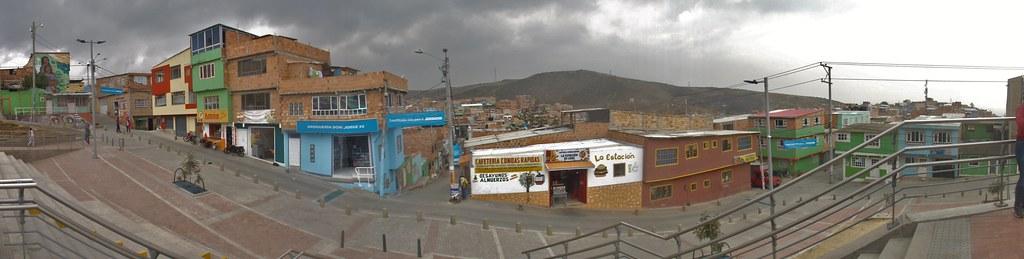
Bogotá is in the midst of one of its most ambitious infrastructure transformations, with four mega road projects, two metro lines, the country’s first inter-municipal commuter rail, and a large-scale wastewater treatment plant all unfolding simultaneously. These developments aim to ease congestion, improve public transit access, and support environmental sustainability for the city’s growing population.
Alleviating Traffic and Expanding Transit Options
The city's efforts to reduce persistent traffic jams include expanding key highways and introducing new routes. The expansion of Carrera Séptima and the Autopista Norte, along with the creation of a new Calle 13 and the southern and central stretches of the Anillo Vial or ALO corridor, represent the core of these road projects. The 6km ALO Centro corridor will connect important parts of the city, easing the flow towards Bogotá’s central areas. According to official information, these projects collectively form a strategic plan to modernize Bogotá’s mobility framework and reduce travel times significantly [1].
At the heart of public transportation upgrades is the Bogotá Metro Line 1, currently 50% completed as of March 2025 and scheduled to open in 2028. Stretching 23.9 kilometers with 16 stations, it is designed to provide a vital east-west transit axis across the city’s densest neighborhoods. Beyond that, the USD 3.8 billion Metro Line 2 has broken ground, with plans to construct 16 kilometers (15.1 km underground) by 2031 and service 2.5 million residents. This will offer increased capacity and connectivity, particularly in under-served areas [2][4].
Inter-Municipal Links and Environmental Gains
Another first for Bogotá and Colombia is the Western Commuter Rail (Regiotram de Occidente), under construction since December 2021. This project will connect Bogotá with neighboring municipalities Facatativá, Madrid, Funza, and Mosquera, reducing travel times to 45 minutes. This rail line will potentially ease vehicle traffic along one of the city’s busiest corridors and provide a reliable alternative for daily commuters outside Bogotá’s administrative boundary [1][3].
Infrastructure improvements extend beyond transportation. Bogotá is investing USD 1.5 billion in a large wastewater treatment plant designed to process 70% of the city’s wastewater and all wastewater from Soacha. The construction phase alone is creating more than 3,000 direct jobs. This facility promises to tackle long-standing environmental and public health concerns related to water pollution, improving conditions for residents and ecosystems downstream [5].
The breadth of these projects responds to Bogotá’s urgent needs. Rapid urban growth has strained existing infrastructure, resulting in tortuous commutes, air pollution, and inadequate sanitation services. By investing in expanded roadways, modern metro lines, commuter rail, and environmental infrastructure, Bogotá’s administrators aim not only to improve current conditions but also to prepare for the city’s expected future population and economic development.
Residents can anticipate gradual benefits as sections of these projects open: shorter private and public transit trips, expanded service coverage, and better environmental quality. While construction will inevitably cause some disruption in neighborhoods along key corridors, long-term gains include increased mobility options and healthier living conditions.
Citizens are advised to follow updates from official city channels on construction progress and temporary traffic changes, particularly around Carrera Séptima, Calle 13, and the ALO corridors. Long-term, the new mobility infrastructure will offer more efficient transport alternatives, encouraging shifts away from reliance on private vehicles.
References Sourced but Not Limited to:
- bogota.gov.co · Bogota has great plan infrastructure and sustainable mobility
- bogota.gov.co · Bogota region and nation seal agreement mobility megaprojects
- infrastructuretransparency.org · Cost bogota
- bogota.gov.co · Especial Bogota 2030 english
- latinfinance.com · Urban transport financing of the year bogota metro line 1