Politics
Bogotá Cuts Public Transit Fares for Low-Income Residents Starting Now
City hall’s new policy broadens transportation subsidies for low-income residents, promising lower costs and improved access across Bogotá.
How we reported this
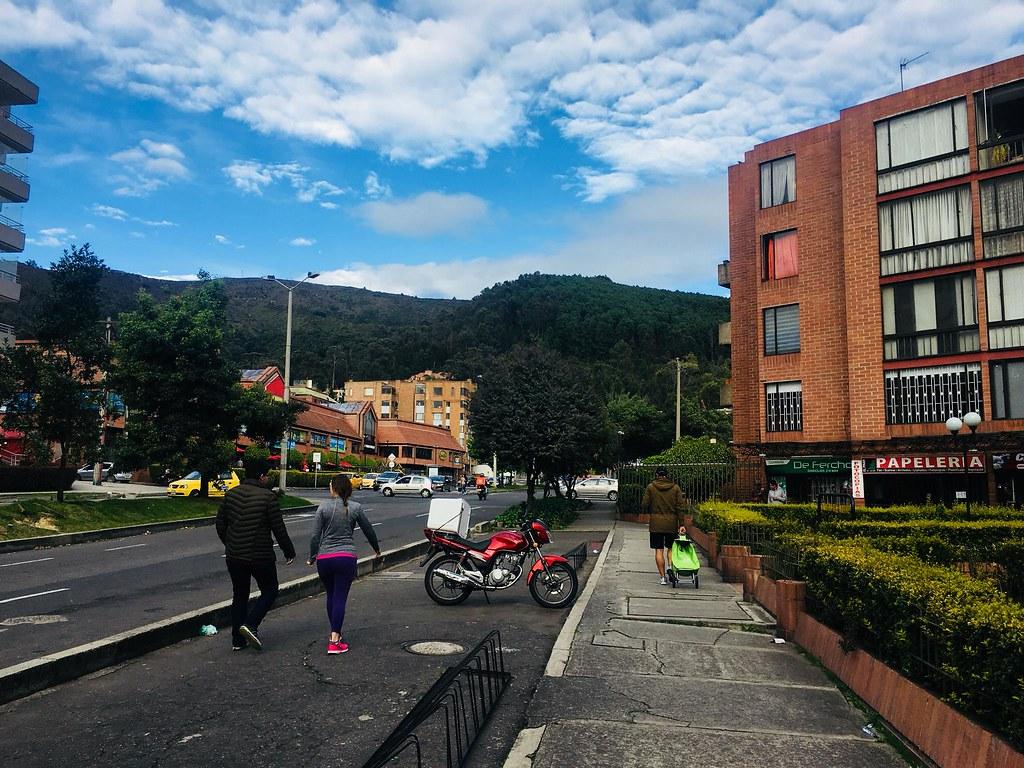
Bogotá’s municipal government has announced an expansion of its public transport subsidy program aimed at making TransMilenio and SITP fares more affordable for thousands of the city’s lower-income residents. The changes, approved at this week’s council session, will take effect in the coming months, directly impacting commuters who rely on public transit for work and daily life.
Why Subsidies Matter Now
The decision comes as rising living costs have stretched family budgets throughout Bogotá, with transport fares identified as a significant monthly expense. Policy analysts say expanding subsidies addresses both economic hardship and broader urban mobility goals, as City Hall works to encourage public transit use and alleviate congestion on main arteries like Carrera Séptima and Avenida Suba. Local advocates note that when fares become more manageable, daily commutes are less likely to be an economic barrier for residents of outlying neighborhoods, especially in locales such as Bosa and Ciudad Bolívar.
Direct Impact on Bogotá Residents
For daily commuters like market vendors, domestic workers, and students, the subsidy could translate into tangible household savings. Policy details provided by the Secretaría de Movilidad show that the eligibility threshold has been revised, allowing more individuals to access discounted fares on both buses and rapid transit lines. Resident associations in Kennedy and San Cristóbal have welcomed the measure, emphasizing that reducing the cost of a daily commute can free up money for essentials such as food and medicine.
Civic groups cite data from city transport reports showing that, before the expansion, only a portion of subsidized users benefited under previous guidelines. The council budget details released last month allocated additional funding to cover the broader pool of beneficiaries, reflecting the city’s effort to make the program sustainable. According to the official budget summary, an increased allocation will be directed at bolstering the social fare program, with the administration projecting a surge in applications once the new eligibility rules are in effect.
The next steps involve a public information campaign to ensure that eligible residents are aware of the changes and can apply for the subsidy through local district offices and digital platforms. Policy analysts say council authorities will monitor enrollment rates and assess overcrowding or operational impact on crowded lines. The city government is expected to publish an initial progress report following the first quarter, outlining how the program is shaping daily mobility for Bogotá’s residents.