Politics
Bogotá Council Allocates COP 450 Billion to Expand Bus Rapid Transit
The recently passed council budget allocates COP 450 billion to expanding bus rapid transit routes, with new stops and schedules expected to begin affecting daily commuters by early 2027.
How we reported this
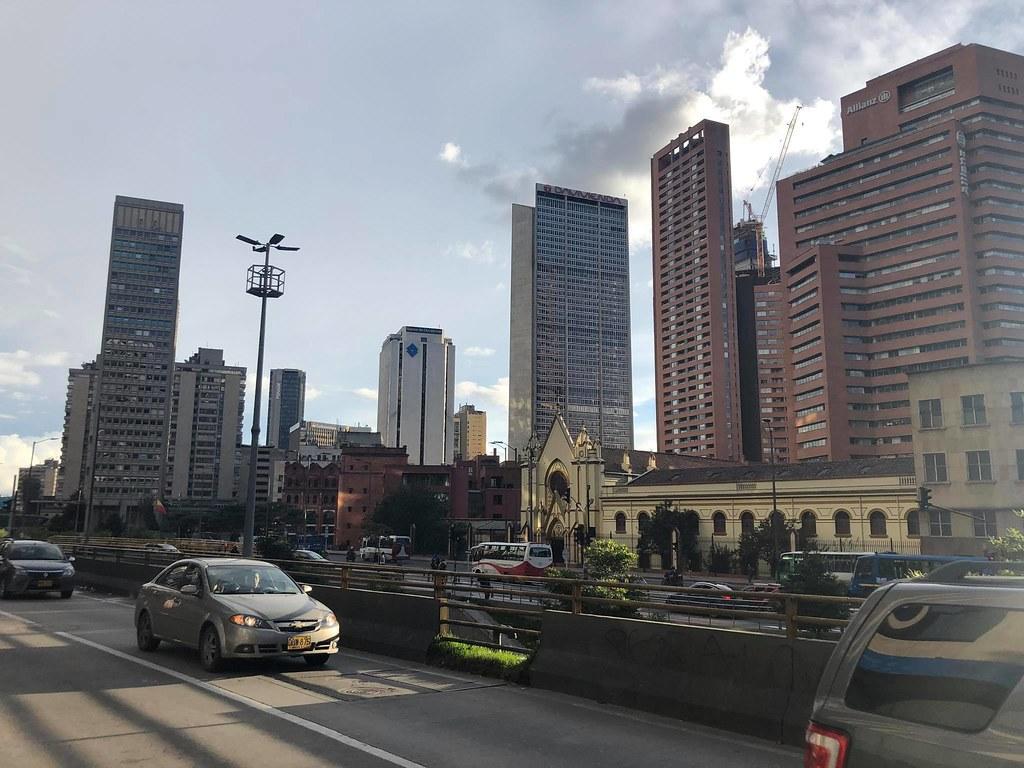
The Bogotá City Council has approved a public transport funding plan affecting thousands of daily commuters across the capital. The initiative earmarks COP 450 billion over the next two fiscal years to extend TransMilenio services and improve accessibility, particularly in the peripheries of Ciudad Bolívar and Usme.
City officials emphasise that the timing aligns with growing demands on Bogotá’s transit infrastructure and aims to reduce overcrowding and travel times. With population growth reaching 1.3 million in the metropolitan area, transport capacity has struggled to keep pace, creating pressure on existing routes and rising commuter dissatisfaction.
Impact on Residents and Daily Commutes
For local commuters, these changes mean expanded bus rapid transit corridors and new feeder routes that will gradually roll out beginning January 2027. The plan targets underserved sectors, adding 15 new TransMilenio stations and increasing vehicle frequency during peak hours, a move expected to decrease average wait times by 10 to 15 minutes on busy lines.
Residents in Ciudad Bolívar are set to benefit the most. The new infrastructure will provide a direct connection to central Bogotá that could reduce travel time to the downtown area by as much as 25 percent according to projections in the city’s 2026-2028 investment plan.
Budget and Next Steps
The approved COP 450 billion commitment represents a 20 percent increase from the previous 2024-2025 budget for transport infrastructure. Funding sources combine municipal allocations and national grants dedicated to sustainable urban mobility.
The council’s policy document notes that construction and operational adjustments will occur in phases, with the first set of stations and schedule enhancements scheduled for completion by March 2027. Residents should expect periodic disruptions during construction, with updates to be communicated via official city channels.
Further community consultations are slated for late 2026 to refine route efficiency and address resident feedback. Policy analysts underscore that while service improvements are projected, shifts in transport mode preferences and costs could influence final outcomes for Bogotá’s commuting population.