Politics
Bogotá's New Plan Reshapes Where Developers Build Housing
District decrees governing the Territorial Ordering Plan and Transfer of Development Rights direct where new housing can be built and how much must meet social interest standards in Bogotá.
How we reported this
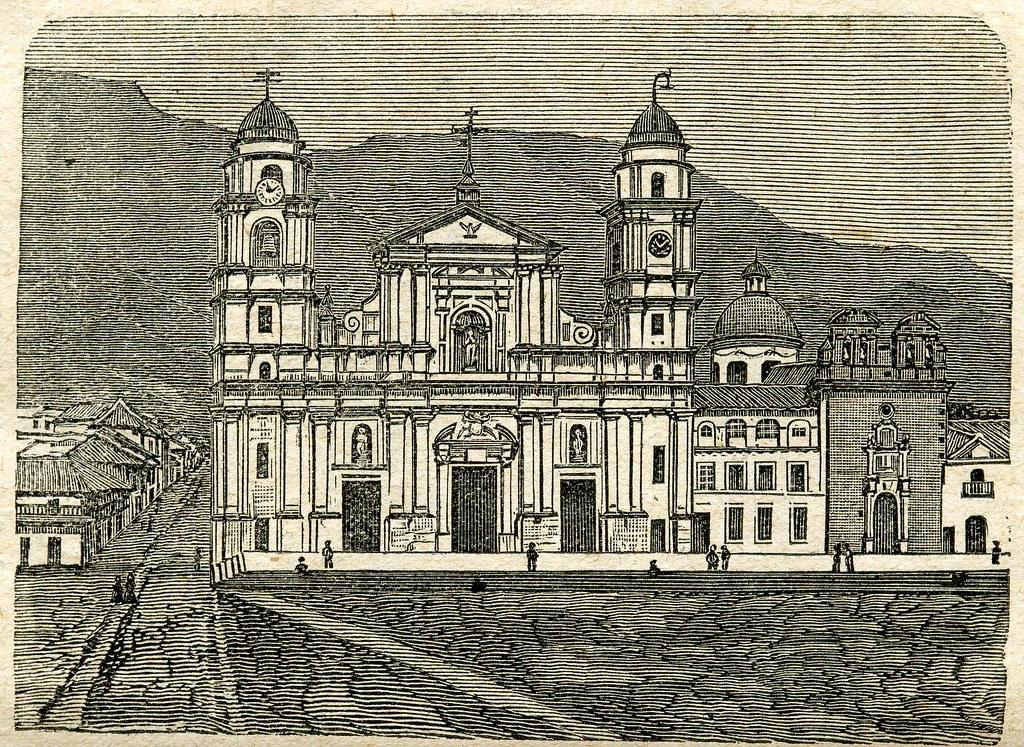
The Territorial Ordering Plan, adopted through District Decree 555 of 2021 under national Law 388 of 1997, sets the framework for land use, urban growth and ecological preservation across Bogotá. The city also applies Transfer of Development Rights under Decree 626 of 2023, which permits construction potential from protected rural areas within the Primary Ecological Structure to move to urban zones for residential projects.
Housing requirements and location priorities
New housing projects must designate 75 percent of units as social interest housing, each providing at least 42 square metres of habitable space. These rules favour densification inside existing urban areas rather than expansion on the periphery. For residents, this approach channels new homes toward zones already served by roads, utilities and public facilities, which can influence daily travel times to workplaces and the availability of nearby services.
Development processes continue under District Decree 327 of 2004, with detailed usage norms set by each Urban Planning Zone regulatory fiche or partial plan. Construction licensing occurs through the city's five urban curatories, while property owners and developers can review applicable rules through the SinuPOT system by entering an address or cadastral chip.
Implications for local services and infrastructure use
By directing residential growth toward established urban areas, the policies concentrate demand for services such as water, transport and community facilities where networks already exist. Residents in those zones may see continued pressure on existing infrastructure, while areas outside the primary ecological structure but within urban boundaries become the main locations for new social interest housing. The Transfer of Development Rights mechanism supports this pattern by moving building rights away from protected rural land and into designated urban sites.
Urban regulations remain accessible through the SinuPOT platform, allowing property owners to check requirements before applying for licences at one of the five curatories. The combination of the 2021 Territorial Ordering Plan, the 2023 Transfer of Development Rights decree and the 2004 urbanization rules continues to guide where and how residential development proceeds in Bogotá.