Technology
Bogotá Attracts Billions in Smart City Investment, Launches Major Projects
With fresh funding influxes and escalating projects, Bogotá is solidifying its status as a leading Latin American smart city hub.
How we reported this
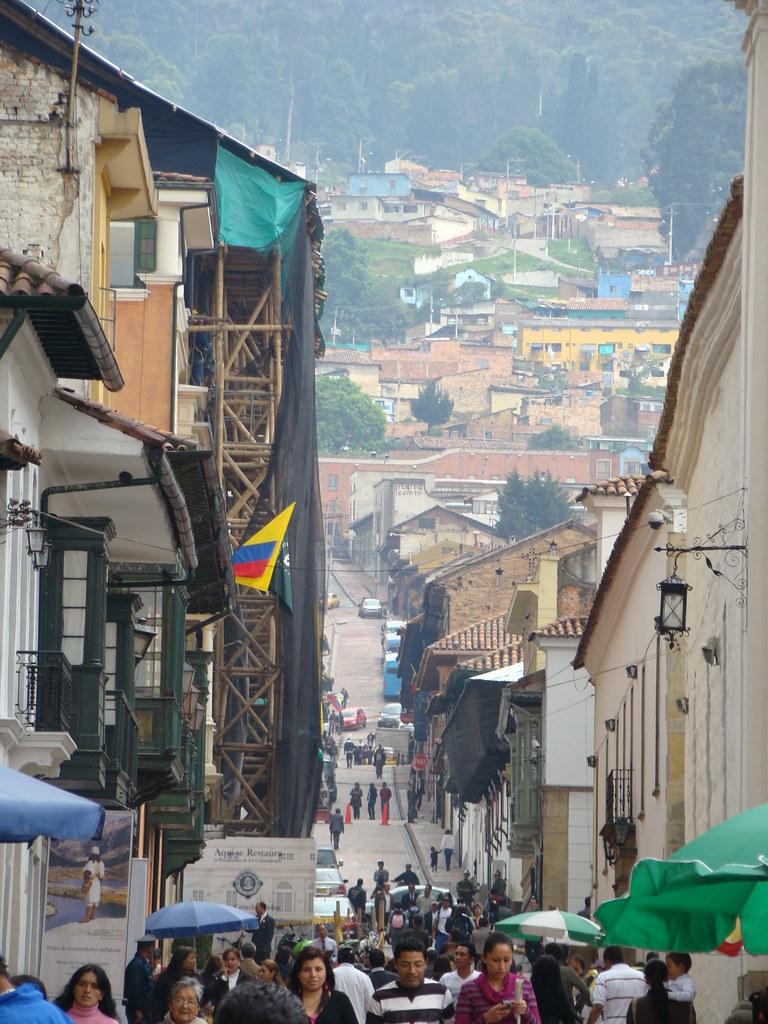
Bogotá has attracted over $150 million in new investments for smart city projects in the last 12 months, marking a significant leap in the city's tech infrastructure development. The announcement came from the Bogotá Chamber of Commerce, highlighting key public-private partnerships fueling this growth.
Why now? As urban populations swell-the city's estimated 8 million residents increasing yearly-the demand for efficient public services, sustainable urban mobility, and digital governance has become urgent. The Colombian capital is racing to alleviate chronic traffic congestion, outdated utilities, and patchwork digital access through coordinated smart city systems.
Local Programs Steering Growth
In Bogotá, two flagship initiatives illustrate the city’s smart city trajectory: the "Mi Bogotá Digital" program, spearheaded by the local government, and "The Tech Corridor" project along Avenida Caracas. "Mi Bogotá Digital" focuses on enhancing citizens' access to public data and improving city services through IoT devices and blockchain technology, with pilot deployments in La Candelaria and Chapinero districts.
Meanwhile, "The Tech Corridor" is a burgeoning innovation district that stretches from Avenida Jiménez Station to Calle 72, designed to concentrate startups, data centers, and accelerators committed to urban tech solutions. Stakeholders include the Bogotá Innovation Hub and Universidad de los Andes’ Engineering Faculty, both anchoring technology research and talent incubation.
Data underlining the momentum
Investment trends underscore the transformation: since 2024, venture capital directed at Bogotá-based smart startups has surged 45%, from $50 million to approximately $72.5 million. Public budget allocations have paralleled this, with a 30% increase dedicated to digital infrastructure upgrades, totaling $80 million for the 2026 fiscal year.
Traffic sensor networks deployed in key corridors now cover 60% more intersections than in 2023, contributing to a 12% reduction in average commute times reported in a recent city traffic authority study. Similarly, adoption rates of the city’s digital citizen ID platform, created to streamline service access, climbed from 400,000 users in early 2025 to over 1 million registered users by July 2026.
The private sector is equally engaged, with multinationals such as Siemens and local firm Siesa committing fresh capital toward urban energy efficiency and smart grid pilot schemes scheduled for implementation in Usme and Suba neighborhoods later this year.
As Bogotá races to expand its smart city footprint, the coming 18 months will be critical. The city plans to launch a new urban analytics center by early 2027 to centralize data for evidence-based decision-making. City officials urge startups and investors to engage with established programs such as the Bogotá Tech Accelerator to ensure coherent scaling of innovations.
Civic engagement remains essential; residents in targeted areas are encouraged to participate in ongoing consultations and user feedback sessions at community centers like the Biblioteca Pública Virgilio Barco in Teusaquillo. These forums represent opportunities to tailor smart city initiatives to the diverse needs of Bogotá’s population.
With multi-million-dollar funding surges and robust collaboration between academia, private firms, and municipal authorities, Bogotá’s smart city ambitions are transitioning from pilot phases to operational realities, promising a more connected, efficient, and sustainable urban future.